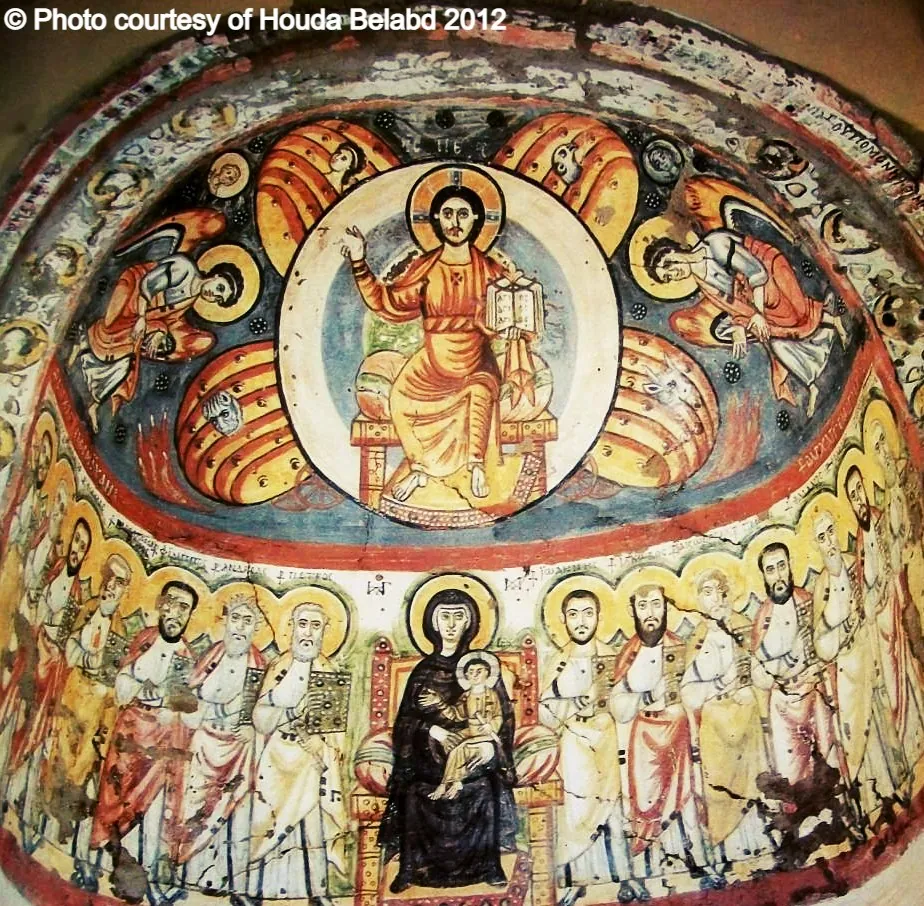
A compact guide connecting architecture, manuscripts, textiles and carved wood to the layered urban context of Old Cairo. This manual separates route advice from operational details that require direct confirmation.
STAGE 01 / COP-04
Plan Old Cairo as a district
The museum belongs within a living historical area; build a modest route and respect active religious spaces.
Confirm security access and local opening patterns.
Route action
Choose a clear stopping point and the transition that leads to it.
Look for
Record one material detail, one spatial decision and one unanswered question.
Do not assume
Gallery availability, object location and access conditions can change.
Exit condition
Move on when attention falls, not when every case has been photographed.
Field procedure
- Orient without rushing into the first dense gallery.
- Read the room before selecting an object.
- Separate observation from interpretation.
- Save the object number or official record.
ROUTE NOTE 1The museum belongs within a living historical area; build a modest route and respect active religious spaces. Translate that principle into one decision for your actual visit date.
STAGE 02 / COP-04
Let the courtyard reset the pace
Begin with architecture, shade, material and the transition from street to museum.
Identify the accessible route through the historic building.
Route action
Choose a clear stopping point and the transition that leads to it.
Look for
Record one material detail, one spatial decision and one unanswered question.
Do not assume
Gallery availability, object location and access conditions can change.
Exit condition
Move on when attention falls, not when every case has been photographed.
Field procedure
- Orient without rushing into the first dense gallery.
- Read the room before selecting an object.
- Separate observation from interpretation.
- Save the object number or official record.
ROUTE NOTE 2Begin with architecture, shade, material and the transition from street to museum. Translate that principle into one decision for your actual visit date.
STAGE 03 / COP-04
Follow the written page
Use manuscripts to compare scripts, languages, page design and liturgical use.
Check light levels and photography rules.
Route action
Choose a clear stopping point and the transition that leads to it.
Look for
Record one material detail, one spatial decision and one unanswered question.
Do not assume
Gallery availability, object location and access conditions can change.
Exit condition
Move on when attention falls, not when every case has been photographed.
Field procedure
- Orient without rushing into the first dense gallery.
- Read the room before selecting an object.
- Separate observation from interpretation.
- Save the object number or official record.
ROUTE NOTE 3Use manuscripts to compare scripts, languages, page design and liturgical use. Translate that principle into one decision for your actual visit date.
STAGE 04 / COP-04
Read textiles closely
Pattern, fibre, dye and wear connect visual culture to trade, bodies and daily practice.
Do not infer date or identity from motif alone.
Route action
Choose a clear stopping point and the transition that leads to it.
Look for
Record one material detail, one spatial decision and one unanswered question.
Do not assume
Gallery availability, object location and access conditions can change.
Exit condition
Move on when attention falls, not when every case has been photographed.
Field procedure
- Orient without rushing into the first dense gallery.
- Read the room before selecting an object.
- Separate observation from interpretation.
- Save the object number or official record.
ROUTE NOTE 4Pattern, fibre, dye and wear connect visual culture to trade, bodies and daily practice. Translate that principle into one decision for your actual visit date.
STAGE 05 / COP-04
Compare wood, stone and icon
Ask how images and architectural fragments moved from original settings into the collection.
Record provenance information where available.
Route action
Choose a clear stopping point and the transition that leads to it.
Look for
Record one material detail, one spatial decision and one unanswered question.
Do not assume
Gallery availability, object location and access conditions can change.
Exit condition
Move on when attention falls, not when every case has been photographed.
Field procedure
- Orient without rushing into the first dense gallery.
- Read the room before selecting an object.
- Separate observation from interpretation.
- Save the object number or official record.
ROUTE NOTE 5Ask how images and architectural fragments moved from original settings into the collection. Translate that principle into one decision for your actual visit date.
STAGE 06 / COP-04
Return to the neighbourhood
Leave enough time to understand the museum as one voice within Old Cairo, not an isolated stop.
Check respectful dress and visitor rules nearby.
Route action
Choose a clear stopping point and the transition that leads to it.
Look for
Record one material detail, one spatial decision and one unanswered question.
Do not assume
Gallery availability, object location and access conditions can change.
Exit condition
Move on when attention falls, not when every case has been photographed.
Field procedure
- Orient without rushing into the first dense gallery.
- Read the room before selecting an object.
- Separate observation from interpretation.
- Save the object number or official record.
ROUTE NOTE 6Leave enough time to understand the museum as one voice within Old Cairo, not an isolated stop. Translate that principle into one decision for your actual visit date.
DETACHABLE FIELD CARD
Write this before entering
My one question
____________________________________________
My three priority stops
____________________________________________
My planned break
____________________________________________
My exit condition
____________________________________________
My verified source
____________________________________________
My flexible alternative
____________________________________________
SOURCE CONTROL
Verification trail
- Official museum visitor page.
- Official collection or exhibition record.
- Current access and photography policy.
- Documentary image creator and reuse licence.
Last editorial review: 16 July 2026. No unrecorded personal visit is claimed.